
Finishing Details
Scribing a shelf starts with the wall’s actual shape
Scribing transfers an uneven wall’s profile onto a shelf or trim piece. Establish the final position before marking, then work gradually to the line.

Rooms that work, details that belong.
Scribing transfers an uneven wall’s profile onto a shelf or trim piece. Establish the final position before marking, then work gradually to the line.

The front edge of a stair affects visibility and footing. Inspect worn nosings, lighting and loose finishes before choosing a cosmetic repair.

Before laying a floor over new screed, confirm the product, moisture test and covering requirements instead of judging readiness by appearance.
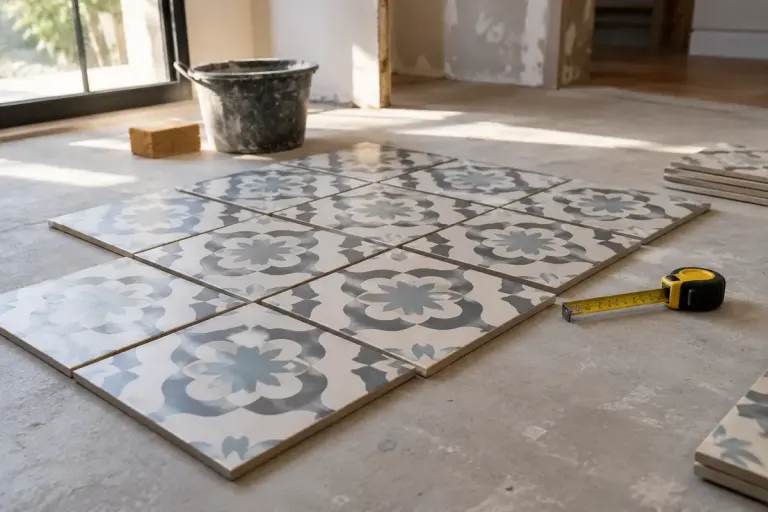
A patterned tile layout needs to work at the doorway and walls, not just in the centre. Dry-lay the design with joint spacing before approving the cuts.
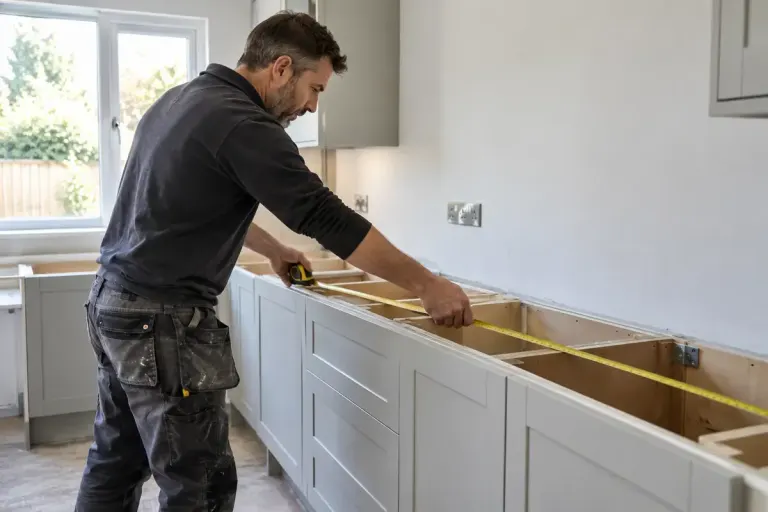
Before a kitchen worktop is templated, confirm the installed cabinet layout, appliance details and design decisions with the fabricator to avoid preventable rework.

Plan curtain stack-back space alongside pole length, fabric fullness and nearby obstructions so open curtains leave the window as clear as intended.

A picture rail needs a compatible hanging system and an understanding of its fixing, load limits and position before the first frame goes up.
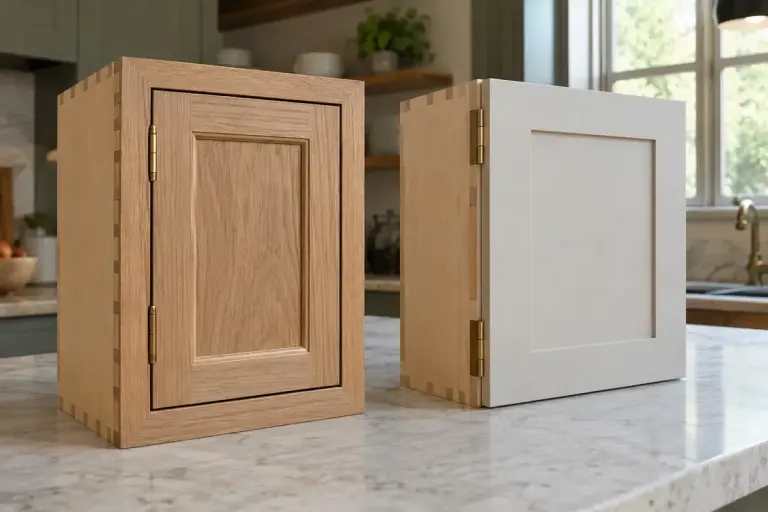
Understand the difference between inset and overlay cabinet doors before choosing hinges, measuring clearances or ordering replacement hardware.

Test removable wallpaper on the wall you intend to decorate, checking adhesion, surface compatibility and removal before ordering a full room’s supply.