Renovation Details
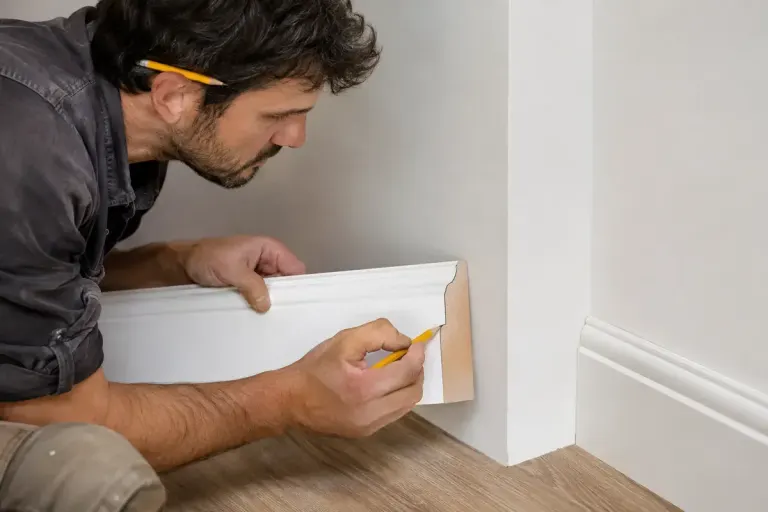
Scribing a skirting-board joint follows the moulding’s profile
A scribed internal skirting joint follows the neighbouring board’s profile. Understand the fit before choosing filler or cutting another mitre.

Rooms that work, details that belong.
A scribed internal skirting joint follows the neighbouring board’s profile. Understand the fit before choosing filler or cutting another mitre.
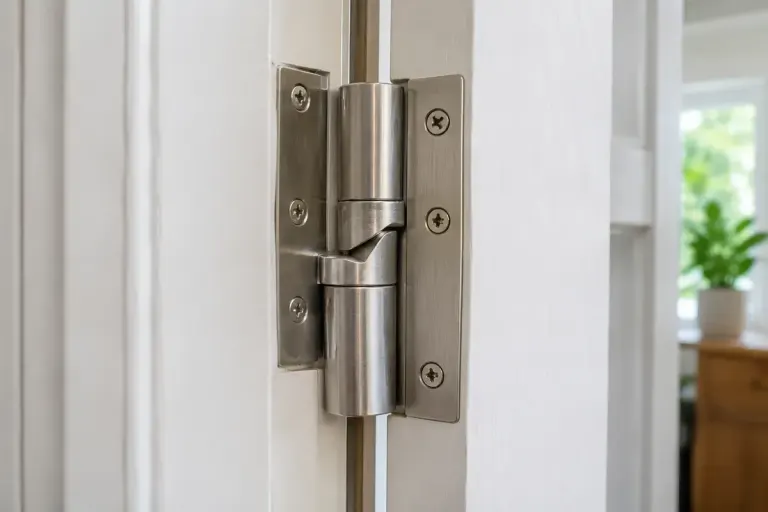
Rising butt hinges lift the door during opening. Check handing, clearance, weight, and closing behaviour before treating one as a cure for a rubbing door.

A half-drop wallpaper match offsets neighbouring strips. Understand the repeat before cutting so the pattern aligns without wasting a full roll.

A bathroom fan needs an effective route outdoors. Include the duct, outlet, and airflow check in renovation plans rather than choosing the fan alone.

An open-plan idea starts with understanding the wall. Check structural support, services and local approvals before planning demolition or ordering finishes.

Light reflectance value helps compare paint colours, while sheen describes another aspect of the finish. Keep both in view when testing samples in a room.

Before closing a renovated wall, ask how its vapour-control layer fits the climate, existing materials, air sealing and intended drying direction.

A pocket door removes the swing arc but needs a suitable wall cavity. Check the full opening, services and maintenance access before choosing one.

Scribing transfers an uneven wall’s profile onto a shelf or trim piece. Establish the final position before marking, then work gradually to the line.